
San Sebastián’s Old Town, known in Basque as Parte Vieja, lies between the Urumea River and the harbour, at the foot of Mount Urgull. Its compact streets bring together the city’s former walled centre, historic churches, Constitution Square, the harbour and the pintxo bars for which Donostia is famous. This guide gives you a practical walking route, the history behind the main sights, and advice on food, access and how much time to allow.

A walking route through the Old Town
Allow about two to four hours for the core walk, depending on museum visits, meals and how often you stop. The route is compact and can be followed on foot:
- Start at La Bretxa. The market area introduces the neighbourhood’s everyday and food culture. Its name recalls the breach in the old city walls during the 1813 siege.
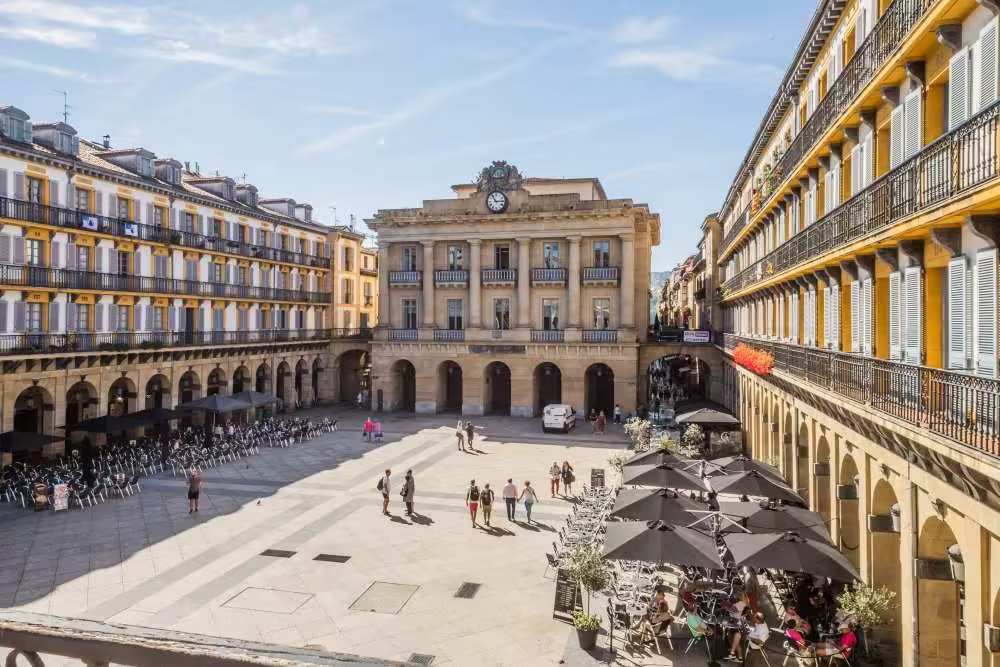
- Continue to Constitution Square. Look at the numbered balconies, a reminder of the square’s former use for public events. The arcades and cafés make this a natural place to pause.
- Walk along 31 de Agosto Street. This street preserves the memory of the 1813 destruction and is lined with places to eat. It is busiest at meal times, so visit earlier if you want to focus on the architecture.
- Visit the churches. The Gothic Church of San Vicente and Baroque Basilica of Santa María del Coro are key landmarks. Check opening times before planning an interior visit.
- Finish by the harbour. From here you can continue to the Aquarium and Paseo Nuevo, or return through the streets for a pintxo stop.
If you have more time and energy, add Mount Urgull. Its paths climb above the Old Town and lead to historic fortifications and viewpoints; the uphill walk is a separate, more strenuous extension rather than part of the level street route.
History and Architecture: A Journey in Time
The name Parte Vieja means “Old Quarter”. The neighbourhood occupies the site of San Sebastián’s historic walled town, between the river and the harbour at the base of Mount Urgull. Much of the city was destroyed in 1813 during the Peninsular War. The street pattern and surviving buildings tell part of that story, while the reconstruction that followed shaped the centre visitors see today. One reminder of the siege is La Bretxa: its name refers to the breach made in the city walls. The market remains a useful stop for traditional food shops and local produce. For a deeper look at the city’s past, the San Telmo Museum is housed in a former Dominican convent, with historic architecture alongside exhibitions on Basque society and culture.
- Basilica of Santa María del Coro: This imposing baroque temple, built in the 18th century, stands out with its monumental façade and carved details. Its interior, full of sacred art, invites contemplation and wonder.
- Church of Saint Vincent: Gothic style, it is one of the oldest buildings in the city. Its main altarpiece, a masterpiece of flamboyant style, is a jewel that you cannot miss.

- Mount Urgull and Castillo de la Mota: The paths above the Old Town lead to the historic fortifications and Castillo de la Mota. Treat this as an uphill extension and check current access information before setting out.
Each corner of the Old Town keeps a part of the history of San Sebastián, from the traces of its fishing past to its transformation into a cosmopolitan center.
A Gastronomic Paradise: The Art of Pintxo
San Sebastián is known worldwide for its gastronomy, and the Old Town is its epicenter. The pintxos bars, small and elaborate culinary creations, are a feast for the senses.
- 31 de Agosto Street: This historic street, the only one to survive the fire of 1813, is now home to some of the most iconic pintxo bars. To walk through it is to travel through centuries of history, from the times when it served as the main artery of the neighborhood to its transformation into the gastronomic heart of San Sebastián. In addition to bars, it also houses small traditional shops that add a special charm to the street.
- Gastronomic ritual: Going for pintxos is an unforgettable experience. Visit bars such as Gandarias, La Cuchara de San Telmo or Borda Berri and try specialties such as txangurro, cod omelette or sirloin with foie. This tradition is not only a way to taste Basque cuisine, but also to socialize and share unique moments. Each bar offers its own specialty, turning each visit into a culinary adventure.
- Featured restaurants: In addition to the pintxos bars, the Old Town has renowned restaurants that offer more elaborate dishes and a unique atmosphere. Places like “Astelena 1997”, with its creative cuisine, or “La Viña”, famous for its unbeatable cheesecake, have become obligatory stops for food lovers. Also notable is “Casa Urola”, which fuses Basque tradition with modern techniques, earning the preference of locals and visitors alike.
- La Bretxa Market: Although renovated, this market is still the place where local chefs buy fresh, quality ingredients for their creations. In addition to fresh products, it also has small establishments that offer gourmet and artisan products, perfect for bringing a piece of Basque gastronomy home. The market also organizes cooking-related activities and events, such as workshops and tastings, which enrich visitors’ experience.
Culture and Tradition: The Old Town as a Festive Heart
The Old Town is not only a gastronomic center, but also the scene of the most important festivities of Donostia:
- Constitution Square: This space, which in the past was a bullring, today comes alive during events such as Semana Grande or the Saint Sebastian’s Day. Its classic architecture, with numbered balconies that recall its bullfighting use, creates a unique atmosphere that attracts both locals and tourists. In addition to being the scene of emblematic celebrations, the square also hosts markets and cultural activities throughout the year, consolidating itself as a meeting point par excellence in the Old Town. Its role as a social epicenter is complemented by the variety of cafes and terraces that surround the space, offering the ideal place to enjoy a coffee while observing city life.
- San Telmo Museum: Dedicated to Basque culture, this museum combines historical elements with contemporary exhibitions, offering a unique experience.
- Festivals and music: From outdoor concerts to traditional activities, the Old Town keeps the city’s cultural heritage alive. A notable example is the Plaza de la Trinidad, which becomes the epicenter of the Jazz Festival, one of the most important jazz festivals in the country. In this emblematic setting, international and local artists offer unforgettable concerts, fusing music with the historical atmosphere of the place.
Nightlife: The Charm of the Night
When night falls, the Old Town transforms into a place full of energy and joy. Its streets light up with the music and laughter that emanate from its taverns and bars.
- Bars and breweries: Places like A Fuego Negro or Atari offer a mix of modern atmosphere and tradition.
- Night shows: In addition to the gastronomic offer, the Old Town hosts cultural events and street musicians that complete the nighttime experience.
Between the Past and the Present: A Space of Contrasts
The true charm of the Old Town lies in its ability to combine history and modernity. While Basque traditions remain rooted, innovation is present in its gastronomy and culture, creating a unique symbiosis that defines the soul of Donostia. This balance between old and new is perceived in every corner of the neighborhood, where the customs of yesteryear merge with contemporary proposals that enrich the experience of those who visit.
- living traditions: The drums, pilgrimages and other celebrations maintain the spirit of yesteryear, remembering the importance of cultural roots. During these festivities, the streets are filled with music, colors and energy, transporting attendees to a time where unity and community joy were the center of daily life. In addition, religious processions and craft fairs are testimony to the cultural legacy that endures in the heart of the city.
- Culinary innovation: Local chefs have elevated Basque cuisine to an international level, fusing traditional flavors with modern techniques and constantly surprising the most demanding palates. Not only the Michelin-starred restaurants stand out, but also the pintxo bars, which reinterpret classic recipes with a creative touch. Constant experimentation and the search for new gastronomic horizons position the Old Town as a culinary reference for both locals and visitors.
Where to Stay in the Old Town
The Old Town of Donostia offers a variety of accommodation options to suit all tastes and budgets. From cozy hostels to boutique hotels, each establishment reflects the charm and authenticity of the Old Town.
- Choosing accommodation: Staying in or beside the Old Town puts you close to the harbour, historic sights and evening food scene, but streets can be lively at night. Compare current prices, accessibility, cancellation terms and recent guest reviews before booking. If you prefer quieter evenings, look just outside the busiest streets while keeping the neighbourhood within walking distance. La Concha Beach and the port are also within easy reach on foot.
- Boutique hotels: For a more exclusive experience, the Atari Hotel, located across from St. Mary’s Basilica, offers elegant design and rooms with spectacular views. Likewise, the recent Hotel Arbaso has earned an excellent reputation thanks to its mix of contemporary style and attention to detail.
Whether you are looking for luxury or a simpler option, staying in the Old Town allows you to fully immerse yourself in the vibrant and authentic atmosphere of this emblematic neighborhood.
Plan your visit
For the main streets, churches, square and harbour, allow two to four hours; add time for a meal or the San Telmo Museum. A full day makes sense if you also want to explore Mount Urgull, visit the Aquarium or take a slower pintxo route. The Old Town is walkable, but its historic paving can be uneven and Urgull’s paths are steep. For step-free route details and current accessibility information, consult the official accessible Old Town route. Check opening and access conditions for individual attractions before travelling, as these can change.
For more information on how to plan your visit, consult the official San Sebastián tourism page: https://www.sansebastianturismoa.eus
The Old Town of Donostia-San Sebastián is much more than a tourist destination; It is the living soul of the city. Each street, each square and each tavern tells a unique story, offering visitors the opportunity to immerse themselves in the very essence of this unforgettable city.
Plan your visit with our guide to San Sebastián’s iconic spots.


