
La Concha Beach is the most central beach in San Sebastián and one of the easiest places to enjoy the city and the sea in the same visit. This guide focuses on practical information: what the beach is like, when to go, how tides affect the sand, what facilities to expect and how to combine the beach with the promenade and the rest of La Concha Bay.
La Concha Beach is one of San Sebastián’s iconic spots. Use this practical guide to plan your visit and connect it with the bay, Miramar, Ondarreta and Santa Clara Island. See all the city’s iconic spots.
What La Concha Beach is like
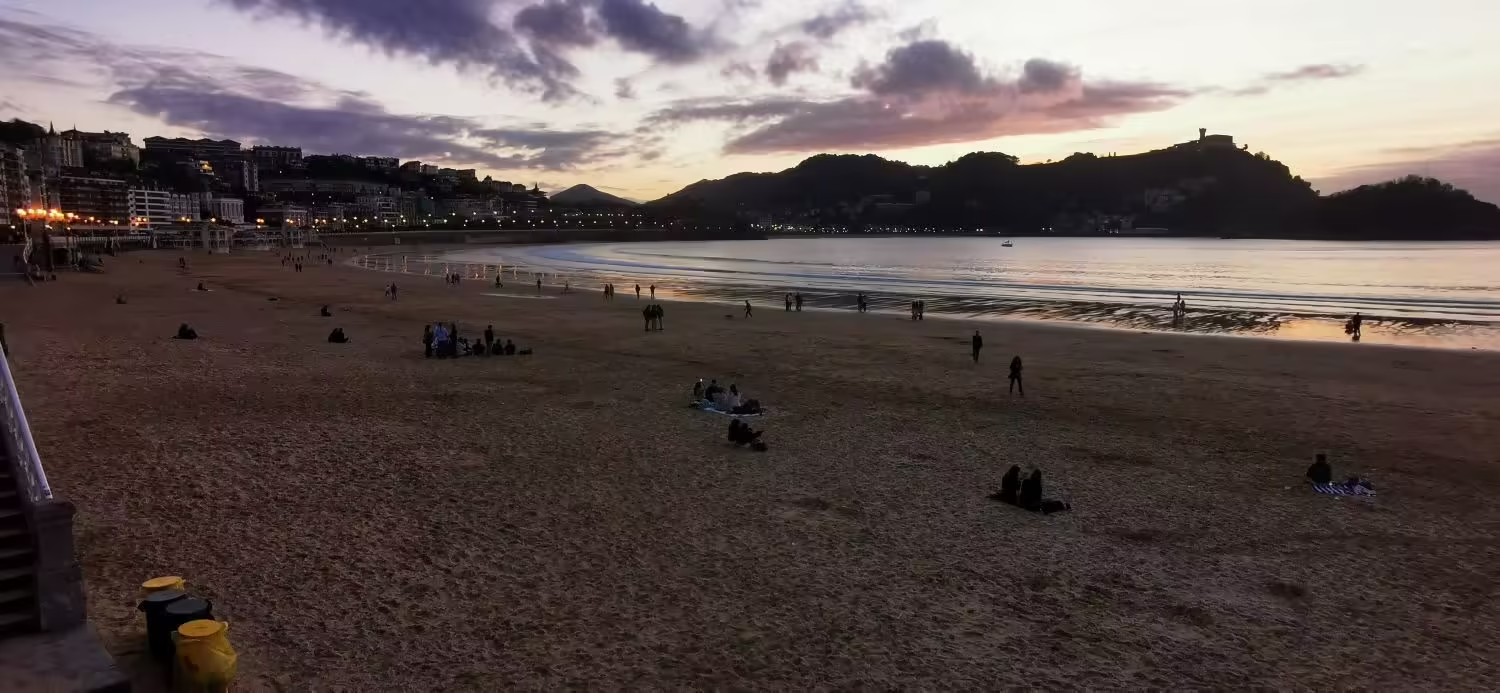
La Concha sits inside the sheltered bay between the city centre and Miramar. The beach has a mean length of around 1,350 metres and is relatively shallow, which helps create the calm urban-beach atmosphere for which it is known. At low tide the beach becomes much wider; at high tide the available sand can shrink considerably.
The setting is what makes it special: Santa Clara Island lies directly ahead, Mount Urgull closes the eastern side of the bay and Mount Igueldo rises beyond Ondarreta to the west. For the full landscape, see our guide to La Concha Bay.
Best time to visit
Summer brings the liveliest beach atmosphere and the widest range of seasonal services. Spring and early autumn are excellent for walking, sitting by the water and enjoying the bay with fewer people. In winter, La Concha is less about sunbathing and more about the promenade, changing light and views across the bay.
If you want plenty of sand for walking or relaxing, check the tide before you arrive. If your main goal is photography, early morning and the final hours of daylight are especially attractive.
Swimming and water activities
The bay is generally more sheltered than Zurriola, making La Concha popular for swimming, paddleboarding and kayaking. Conditions still depend on weather, wind and tides, so follow lifeguard instructions and local safety signs.
Santa Clara Island is part of the visual appeal of the beach, but do not treat the crossing as a casual swim. If you want to visit the island, the simplest option in summer is the seasonal boat service from the harbour, subject to sea conditions. See our Santa Clara Island guide.
Facilities and accessibility
La Concha has direct pedestrian access from the city centre and is well connected by public transport. Municipal beach facilities include showers, drinking-water points, foot showers, public changing cabins and information services. Lifeguard coverage and some other facilities operate seasonally.
During the summer season, the city also provides an assisted-bathing service for people with reduced mobility. Availability, dates and booking arrangements can change from year to year, so check the current information on the official Donostia beach website before travelling.
The La Concha promenade
The promenade is as important as the beach itself. Its white railing is one of San Sebastián’s best-known symbols, and the route links the city centre with Miramar and, beyond it, Ondarreta. Along the way you pass the famous clocks, La Perla and several viewpoints over the bay.

How to include La Concha in a first visit
- Start near City Hall and Alderdi Eder.
- Walk along the railing and stop at the main beach access by the clocks.
- Continue towards La Perla and Miramar.
- From Miramar, either return to the centre or continue to Ondarreta and the Peine del Viento.
- If you have more time, explore Santa Clara Island or see the bay from Mount Igueldo.
La Concha Beach or La Concha Bay?
They are not the same thing. La Concha Beach is the central sandy beach. La Concha Bay is the complete landscape formed by La Concha, Ondarreta, Santa Clara Island and the two headlands. If this is your first trip, read both guides: the beach page is practical, while the bay guide explains the wider setting.
For the historical side of the beach — royal sea bathing, the Belle Époque, La Perla and the famous railing — see our history of La Concha.


